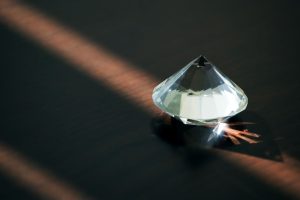
Choosing a diamond for an engagement ring often feels more complex than expected. Many buyers focus on clarity because it seems like a direct measure of quality. The idea of flaws inside a diamond can be unsettling. However, understanding diamond clarity for engagement rings reveals a more practical truth. You do not need a flawless stone to achieve a stunning look. You need a smart balance between clarity, appearance, and budget.
Clarity is about imperfections, but not all imperfections matter. Many are microscopic and invisible in real life. The challenge is knowing which clarity grades offer visible beauty and which simply add cost without noticeable improvement. This is where strategy becomes essential. A well-informed decision ensures your ring looks exceptional without unnecessary spending.
This guide explores how clarity works, which grades deliver the best value, and how to evaluate diamonds in real buying situations. It focuses on practical choices rather than idealized perfection, helping you choose confidently and efficiently.
What Diamond Clarity Really Means
Clarity measures the presence of internal inclusions and external blemishes. These natural characteristics form during the diamond’s creation deep within the earth. Inclusions may appear as tiny crystals, clouds, or feather-like structures. Blemishes are surface marks such as scratches or small pits. Most of these are impossible to detect without magnification.
Professionals grade diamonds using magnification, typically at ten times zoom. This creates a gap between technical grading and real-world appearance. A diamond may have visible inclusions under magnification but still look perfectly clean to the naked eye. This difference is the key to making a smart purchase.
Overview of Clarity Grading Scale
The clarity scale ranges from flawless to included. Flawless and internally flawless diamonds have no visible inclusions under magnification. These stones are extremely rare and command very high prices. They are often chosen for investment or prestige rather than everyday wear.
Very, very slightly included diamonds contain minute inclusions that are difficult to detect even under magnification. Very slightly included diamonds have minor inclusions that are still hard to see. Slightly included diamonds show inclusions more clearly under magnification, but often remain visually clean without it. Included diamonds contain noticeable flaws that may affect transparency and brilliance, especially in lower grades.
The important takeaway is that clarity grades are based on magnified inspection, not casual viewing. This means many diamonds in mid-range categories can still look flawless in daily use.
How Clarity Impacts Visual Appeal
Clarity influences appearance, but not always in obvious ways. The human eye cannot detect tiny imperfections in most cases. Light reflection, sparkle, and movement mask small inclusions effectively. This is especially true in well-cut diamonds.
Many buyers assume higher clarity guarantees better beauty. In reality, the visual difference between adjacent grades is often negligible. For example, a very slightly included diamond and a slightly included diamond may look identical without magnification. Yet the price difference can be significant.
This creates an opportunity for strategic buying. Instead of chasing perfection, focus on visible results. A diamond that appears clean in normal conditions delivers the same visual impact as a higher grade at a lower cost. This approach allows you to allocate your budget where it matters most.
Best Clarity Grades for Engagement Rings
The best clarity grades are those that provide a clean look without unnecessary expense. For most engagement rings, this means choosing diamonds that are eye clean rather than technically flawless. The goal is not perfection under a microscope but beauty in real life.
Eye Clean Diamonds and Why They Matter
An eye clean diamond has no visible inclusions when viewed without magnification from a normal distance. This is the standard that truly matters for engagement rings. Once a diamond is set and worn, it is rarely examined under magnification. What matters is how it looks during everyday use.
Many diamonds in the very slightly included and slightly included categories meet this standard. These stones offer excellent value because they appear flawless to the eye while costing less than higher clarity grades. The ability to identify an eye-clean diamond is one of the most valuable skills for buyers.
Clarity becomes less important once the diamond reaches this threshold. Paying more for a higher grade often does not improve the visible appearance. Instead, it only improves the technical rating. This is why experienced buyers focus on eye-clean quality rather than chasing higher grades.
Balancing Clarity with Budget and Size
Clarity should always be considered alongside other factors. Buyers often face a choice between higher clarity and larger size or better cut. Understanding these trade-offs is essential for making a smart decision.
Cut quality has the greatest impact on how a diamond looks. A well-cut diamond reflects light more effectively, creating brilliance and sparkle that can overshadow minor inclusions. Choosing a slightly lower clarity grade to afford a better cut often leads to a more impressive ring.
Carat weight is another factor that influences perception. A slightly larger diamond can have more visual presence than a smaller one with higher clarity. By adjusting clarity expectations, buyers can achieve a better balance between size and appearance.
Strategic decision-making involves prioritizing what is visible. If a lower clarity grade still looks clean, it makes sense to invest in features that enhance overall beauty. This approach ensures that every part of your budget contributes to the final result.
How Diamond Shape Affects Clarity Choice
The diamond shape plays a significant role in how inclusions appear. Different cuts interact with light in different ways, which affects how visible imperfections are. Understanding this relationship helps you choose the right clarity grade for your preferred shape.
Brilliant cut diamonds, such as round or cushion shapes, are designed to maximize sparkle. Their many facets reflect light in multiple directions, which helps hide small inclusions. This makes them more forgiving when it comes to clarity. Buyers can often choose slightly lower grades without affecting appearance.
Step cut diamonds, such as emerald or asscher shapes, have large, open facets. These create a clear view into the diamond, making inclusions easier to see. Higher clarity grades are generally recommended for these shapes to maintain a clean look.
Elongated shapes like oval, pear, and marquise fall between these extremes. They can conceal minor inclusions but may reveal larger ones depending on placement. Careful inspection is important when choosing clarity for these shapes.
Understanding how shape influences clarity ensures that you make informed decisions. It prevents overpaying for clarity where it is not needed and avoids visible flaws where clarity matters more.
Common Mistakes When Choosing Clarity
Many buyers make decisions based on assumptions rather than practical knowledge. One common mistake is prioritizing the highest clarity grade available. While this may seem like the safest choice, it often leads to overspending without improving appearance.
Another mistake is ignoring the importance of cut. Even a flawless diamond can look dull if it is poorly cut. Focusing too much on clarity can result in a less impressive overall look.
Some buyers also fail to consider how the diamond will be viewed in real life. They rely on magnified images or grading reports without understanding how those details translate to everyday appearance. This can create unnecessary concern about minor imperfections that are not visible without magnification.
Avoiding these mistakes requires a shift in perspective. Focus on what matters visually and practically rather than chasing technical perfection. This approach leads to better outcomes and more satisfying purchases.
Evaluating Diamonds in Real Buying Scenarios
Buying a diamond is not just about reading specifications. It involves evaluating the stone in conditions that reflect real use. Whether you are shopping in a store or online, understanding how to assess clarity is essential.
In physical stores, view the diamond under different lighting conditions. Natural light, indoor lighting, and spotlighting can reveal different aspects of the stone. Move the diamond and observe how it reflects light. Check for visible inclusions from a normal viewing distance rather than focusing only on magnified views.
Online shopping requires a different approach. High resolution images and videos are valuable tools. Look for consistent appearance across different angles. Certification reports provide additional assurance by confirming the clarity grade and identifying inclusion locations.
It is also helpful to compare multiple diamonds side by side. This allows you to see how clarity differences affect appearance and price. Over time, patterns become clear, helping you make more confident decisions.
Understanding these evaluation techniques ensures that you are not relying solely on technical descriptions. Instead, you are making decisions based on how the diamond actually looks and performs.
Conclusion
Choosing the right clarity grade for an engagement ring is not about finding perfection. It is about understanding what creates visible beauty and making decisions that reflect real world conditions. Diamond clarity for engagement rings should be approached with strategy rather than emotion.
Most buyers achieve the best results by focusing on eye clean diamonds within mid range clarity grades. This approach delivers a clean and brilliant appearance while leaving room in the budget for a better cut or larger size. Shape, lighting, and viewing conditions all influence how clarity is perceived, making it essential to evaluate diamonds holistically.
By avoiding common mistakes and applying practical strategies, you can navigate the complexity of clarity with confidence. The result is a diamond that looks stunning, feels meaningful, and represents a smart investment in both quality and value.