Mixing and matching jewelry is both an art and a practical skill that can transform any outfit. The ability to layer necklaces, stack rings, and coordinate metals and gemstones gives a polished, sophisticated, and individualized look. Yet, many people struggle to achieve balance, often ending up with clashing pieces or a cluttered appearance. Mastering mix-and-match jewelry techniques allows you to wear multiple pieces confidently, whether for everyday life, work, or social events.
Understanding the principles of style, proportion, and harmony is essential. Jewelry is not just decoration—it’s a reflection of personality, mood, and taste. Strategic combinations enhance your outfit, highlight your best features, and can even make simple clothing feel luxurious. This guide explores practical strategies, expert insights, and real-world tips to help you mix and match jewelry like a pro.
Understanding Your Personal Style and Wardrobe
Before layering or combining jewelry, start with your personal style and wardrobe. Your jewelry choices should complement your overall aesthetic rather than compete with it. Take stock of your clothing colors, textures, and patterns. Neutral tones provide flexibility, while bold prints may require subtle, understated accessories.
Occasion also matters. A professional setting may call for minimalist, elegant combinations, while social events allow more creativity and expressive layering. Knowing your style helps narrow down which pieces work together and which ones should remain separate. The goal is to create harmony between your jewelry, clothing, and personal aesthetic.
Consider lifestyle factors as well. Active individuals may favor lightweight, durable pieces, whereas those attending formal events regularly may incorporate more intricate and delicate items. Understanding these practical limitations ensures jewelry not only looks good but also functions comfortably throughout the day.
Balancing Metals, Textures, and Colors
One of the most challenging aspects of mixing jewelry is combining metals, textures, and colors without clashing. Historically, people adhered strictly to one metal per outfit, but modern styling embraces flexibility. Mixing gold, silver, and rose gold can be striking when done thoughtfully.
Tips for Mixing Metals Confidently
Start with one dominant metal and add accents in complementary tones. For example, pair a gold necklace with silver rings and rose gold earrings. Small, strategic touches can unify the look without overwhelming it. Consider the undertones of your wardrobe; warmer clothing tones pair well with gold, while cooler palettes suit silver or platinum.
Combining Textures and Gemstones
Layering pieces with varying textures adds depth and dimension. Smooth, polished chains work beautifully with braided or hammered designs. Beaded bracelets can complement sleek metal bangles, creating visual interest. When mixing gemstones, coordinate colors with your outfit. Monochromatic layering can feel cohesive, while contrasting hues offer energy and vibrancy. The key is moderation: mix thoughtfully to maintain balance rather than overloading the ensemble.
Layering Necklaces, Rings, and Bracelets
Layering jewelry is a cornerstone of professional mix-and-match styling. Proper layering creates depth, draws attention to key areas, and shows intentionality. Without strategy, however, layers can appear messy or overwhelming.
Necklace Layering Strategies
Layering necklaces requires attention to length and proportion. Combine delicate chains with bolder pendants, ensuring each piece is visible. Start with a short chain close to the neckline, add a medium-length necklace, and finish with a longer statement piece. Avoid chains of identical lengths, which can tangle and reduce visual clarity. Textures and metals can vary within layers to add dimension while keeping the overall appearance harmonious.
Ring and Bracelet Stacking Tips
Stacking rings and bracelets is another effective way to showcase variety. Mix thin and medium-width bands, pairing smooth finishes with textured or engraved designs. Rings on different fingers should complement one another, creating visual balance. Bracelets can be stacked similarly: combine bangles, cuffs, and beaded designs for an effortless, dynamic look. Keep proportions consistent—overly bulky stacks may look cluttered, while under-layering may seem incomplete.
Choosing Statement Pieces vs. Minimalist Accents
Knowing when to highlight a bold piece is essential for professional mix-and-match styling. Statement jewelry works best when paired with minimalist accents to avoid overwhelming your outfit. A large pendant or oversized earrings can stand alone or be paired with subtle rings and thin chains.
Minimalist jewelry serves as the glue that unites multiple pieces. Simple studs, delicate chains, and thin bracelets can complement bolder pieces, creating harmony and focus. By balancing statement and subtle elements, you achieve a cohesive, polished look without appearing overdone.
Adapting Jewelry Combinations for Different Occasions
Everyday styling differs from professional or formal settings, and your jewelry should reflect the occasion. For casual or workday outfits, choose lightweight pieces and limit layering to avoid distraction. Opt for metals and stones that match your clothing palette and personal style.
For social events or special occasions, layering can be more expressive. Multiple necklaces, stacked rings, and mixed metals allow for creativity. Incorporating textures, colored gemstones, or statement pieces adds elegance and energy. The key is context: consider environment, activity, and outfit complexity when deciding how much layering to include. Adaptability ensures jewelry enhances your look rather than competing with it.
Practical Tips for Professional Mixing
Start small and build confidence. Introduce one contrasting metal, a new texture, or a second layering piece at a time. Evaluate the effect in natural lighting to see how pieces interact.
Think in terms of proportion. Jewelry should complement your outfit, not overpower it. If wearing bold necklaces, choose subtle earrings and bracelets to maintain balance. Conversely, a large statement ring pairs well with delicate necklaces and simple bracelets.
Maintain consistency by repeating elements across layers. Metals, textures, or gemstone colors that appear multiple times create cohesion. Avoid excessive repetition, which can make the look feel uniform, and too much contrast, which can feel chaotic.
Finally, personal expression is key. Trends are useful for inspiration, but your jewelry should reflect individuality. Experiment, refine, and discover combinations that resonate with your style. With time and practice, mixing jewelry becomes intuitive, effortless, and visually impactful.
Caring for Mixed Jewelry Collections
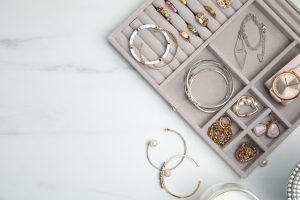
Mixing metals and textures means you’ll likely use multiple types of materials simultaneously. Proper care prevents tarnishing, scratches, and damage. Store pieces separately in compartments or soft pouches to avoid tangling. Clean regularly with gentle cloths or solutions designed for specific metals and gemstones.
When traveling or wearing jewelry during high-activity periods, prioritize durability. Avoid layering delicate or easily damaged pieces. Proper maintenance ensures your mixed collection remains polished, lasting, and stylish for everyday use.
Conclusion
Mixing and matching jewelry is a skill that combines creativity, strategy, and personal expression. By understanding your wardrobe, balancing metals and textures, layering thoughtfully, and adapting to occasions, you can achieve professional-level style every day.
Effective mix-and-match jewelry styling is about harmony and individuality. Statement pieces highlight personality, while minimalist accents unify the look. Layered necklaces, stacked rings, and coordinated bracelets enhance outfits without overwhelming them. Proper care and thoughtful selection extend the lifespan and aesthetic appeal of your collection.
With practice, anyone can confidently mix and match jewelry, turning everyday outfits into polished, versatile, and visually compelling ensembles. Jewelry becomes not just decoration, but a tool for self-expression, elevating your wardrobe and highlighting your unique style.