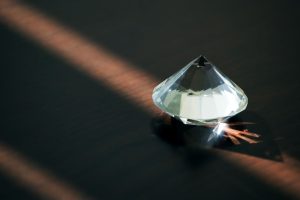
Diamonds have long been considered symbols of luxury, love, and timeless beauty. Whether used in engagement rings or high-end jewelry, their value is determined by several critical factors. Among these, clarity plays a significant role in influencing price.
While many buyers focus on size or sparkle, clarity is equally important because it directly affects both the appearance and rarity of a diamond. A clearer diamond is often more valuable, but understanding why requires a deeper look into how diamonds are formed, graded, and evaluated.
Diamond clarity is not just about perfection, it is about how natural imperfections impact beauty, durability, and desirability. To fully understand why clarity affects price, it is essential to explore the science, grading systems, and market dynamics behind it.
What Is Diamond Clarity?
Diamond clarity refers to the presence or absence of internal and external imperfections. These imperfections are natural and occur during the formation of the diamond deep within the Earth under extreme pressure and heat.
There are two main types of imperfections:
Inclusions: Internal flaws within the diamond
Blemishes: Surface imperfections on the diamond
No diamond is completely perfect in nature. Even the most valuable diamonds have minor characteristics, but the visibility and size of these imperfections determine the clarity grade.
Clarity is important because it affects how light travels through the diamond. Since diamonds are prized for their brilliance and sparkle, anything that interferes with light performance can reduce their overall appeal.
How Diamonds Are Formed and Why Imperfections Occur
Diamonds form over billions of years under intense pressure and heat deep within the Earth’s mantle. During this process, carbon atoms crystallize into a structured lattice.
However, this natural process is rarely flawless. Various factors can introduce imperfections, such as:
Mineral traces trapped during formation
Stress and pressure changes during growth
Structural irregularities in the crystal lattice
These imperfections become part of the diamond’s internal structure. In many ways, they serve as a “fingerprint,” making each diamond unique.
Because flawless diamonds are extremely rare, their scarcity significantly increases their value.
The Diamond Clarity Grading Scale
To standardize clarity evaluation, gemologists use a grading system developed by organizations like the Gemological Institute of America.
The clarity scale includes several categories:
1. Flawless (FL)
No inclusions or blemishes visible under 10x magnification. These diamonds are extremely rare and command the highest prices.
2. Internally Flawless (IF)
No internal inclusions, but minor surface blemishes may be present.
3. Very Very Slightly Included (VVS1, VVS2)
Inclusions are extremely difficult to detect, even under magnification.
4. Very Slightly Included (VS1, VS2)
Minor inclusions are visible under magnification but not to the naked eye.
5. Slightly Included (SI1, SI2)
Inclusions may be visible under magnification and sometimes to the naked eye.
6. Included (I1, I2, I3)
Inclusions are visible and may affect both appearance and durability.
This grading system provides a consistent way to evaluate diamonds, but it also highlights how clarity directly impacts price.
Why Clarity Affects Diamond Price
Clarity affects price for several important reasons, all of which are interconnected.
1. Rarity Drives Value
The most important factor is rarity. Diamonds with fewer imperfections are much harder to find. A flawless diamond represents an extraordinary natural occurrence, making it highly valuable.
As clarity improves, the number of available diamonds decreases significantly. This limited supply increases demand and drives up prices.
2. Visual Appearance and Beauty
Clarity influences how a diamond looks. Inclusions can interfere with the way light passes through the stone, reducing its brilliance.
A diamond with high clarity appears cleaner and more transparent, allowing light to reflect and refract more effectively. This enhances sparkle, which is one of the most desirable qualities in a diamond.
However, it is important to note that not all inclusions are visible to the naked eye. Many diamonds in the VS or even SI range can still appear flawless without magnification.
3. Impact on Light Performance
Diamonds are valued for their ability to reflect light. This optical performance depends on clarity, cut, and other factors.
Inclusions can block or scatter light, reducing brilliance and fire. The more significant the inclusion, the greater its impact on light performance.
This is why higher clarity grades often result in better visual performance, which increases their desirability and price.
4. Durability and Structural Integrity
Certain inclusions can weaken the structure of a diamond. For example, large cracks or fractures may make the diamond more prone to damage.
Diamonds with lower clarity grades may have durability concerns, which reduces their value. Buyers are often willing to pay more for stones that are not only beautiful but also structurally sound.
5. Market Demand and Perception
Clarity also affects price due to consumer perception. Many buyers associate higher clarity with higher quality, even if the difference is not always visible.
Marketing and industry standards have reinforced this perception, making clarity an important factor in purchasing decisions.
As a result, diamonds with higher clarity grades often command premium prices, even when the visual difference is subtle.
Balancing Clarity with Other Factors
While clarity is important, it is only one of the “Four Cs” of diamonds:
Cut
Color
Clarity
Carat weight
Among these, cut often has the greatest impact on sparkle. A well-cut diamond with slightly lower clarity can appear more brilliant than a poorly cut diamond with higher clarity.
Smart buyers often look for a balance between these factors to get the best value.
Eye-Clean Diamonds: A Practical Perspective
One of the most important concepts for buyers is the idea of an “eye-clean” diamond. This refers to a diamond that appears free of visible inclusions to the naked eye.
Many diamonds in the VS and SI ranges fall into this category. These stones offer excellent value because they look flawless without the high price of top clarity grades.
This highlights an important point: higher clarity does not always mean better visual results for everyday use.
How Jewelers and Experts Evaluate Clarity
Professional gemologists examine diamonds under magnification, typically using a 10x loupe. They assess:
Size of inclusions
Number of inclusions
Location within the diamond
Visibility and contrast
The position of an inclusion matters. For example, inclusions near the center are more noticeable than those near the edges.
This detailed evaluation ensures that each diamond is graded accurately and consistently.
Clarity and Investment Value
For those purchasing diamonds as an investment, clarity can play a significant role. Higher clarity diamonds tend to retain value better due to their rarity.
However, investment decisions should also consider other factors such as certification, market trends, and overall quality.
In many cases, buyers choose diamonds that balance clarity with affordability rather than focusing solely on perfection.
Common Misconceptions About Diamond Clarity
There are several misconceptions that can confuse buyers:
Higher clarity always means better appearance In reality, many lower clarity diamonds look identical to higher-grade stones without magnification.
Flawless diamonds are necessary for quality Flawless diamonds are rare but not always practical for everyday jewelry.
Inclusions always reduce beauty Some inclusions are so small that they have no visible impact.
Understanding these misconceptions can help buyers make more informed decisions.
How to Choose the Right Clarity Grade
Selecting the right clarity depends on personal preferences and budget. Consider the following:
Choose eye-clean diamonds for better value
Focus on cut quality for maximum sparkle
Avoid inclusions that affect durability
Balance clarity with other factors
By prioritizing what matters most, buyers can find diamonds that offer both beauty and value.
FAQs
1. Does higher diamond clarity always mean better quality?
Not necessarily. While higher clarity indicates fewer imperfections, many diamonds with slightly lower clarity still appear flawless to the naked eye and offer excellent quality at a more affordable price.
2. Can inclusions be seen without magnification?
In many cases, inclusions are not visible without magnification, especially in higher clarity grades like VS or SI. These diamonds can look completely clean to the naked eye.
3. Which clarity grade offers the best value?
Diamonds in the VS and SI ranges often provide the best value. They appear nearly flawless to the eye while being significantly more affordable than higher clarity grades.
Final Thoughts
Diamond clarity plays a crucial role in determining price, but it is not the only factor that matters. While higher clarity diamonds are rarer and more valuable, the difference in appearance is not always noticeable in everyday use.
Understanding how clarity affects light performance, durability, and market perception allows buyers to make smarter decisions. Instead of focusing solely on perfection, it is often better to look for a balance that offers both beauty and value.
In the end, a diamond’s true worth lies not just in its clarity but in how it is appreciated and worn. Whether perfectly flawless or slightly included, each diamond carries its own unique story, one that reflects both nature’s complexity and human admiration.